March 12, 2026
In recent years, lip fillers have surged in popularity, becoming a staple beauty treatment for individuals seeking fuller and more defined lips. Their appeal lies not only in their ability to enhance natural beauty but also in the relatively non-invasive nature of the procedure. Many treatments are performed in reputable medical spas, where trained professionals focus on subtle, balanced results. However, for those considering lip fillers, it is crucial to understand the longevity of these enhancements and how to maintain them for prolonged effects.
The global fascination with lip augmentation is reflected in the market's impressive growth projections. According to Imarc, the global lip augmentation market reached $3.1 billion in 2024 and is anticipated to grow at a CAGR of 7.78% from 2025 to 2033. This sustained growth underscores the importance of patient education, particularly as more people turn to medical spas and cosmetic clinics for aesthetic treatments. Potential candidates should thoroughly educate themselves on the factors that influence the durability of lip fillers before committing to a procedure.
1. Understanding Lip Fillers
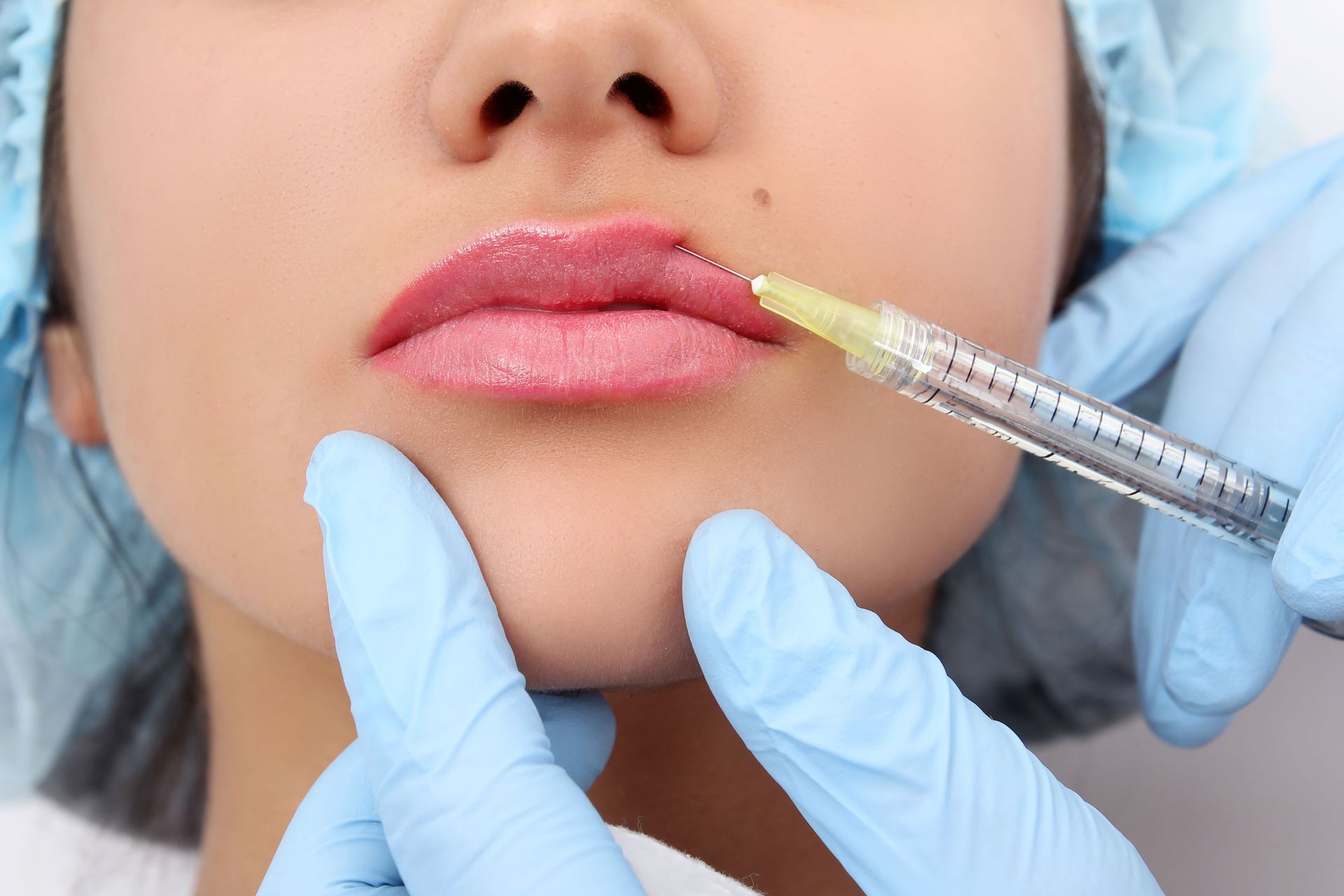
Lip fillers are injectable substances used to add volume, shape, and definition to the lips. The primary component in most lip fillers is hyaluronic acid, a naturally occurring substance in the body that retains moisture and provides a plump appearance. The procedure itself is minimally invasive and involves injecting the filler into specific areas of the lips to create the desired silhouette. When performed by experienced injectors at qualified medical spas, treatments are tailored to complement the patient's natural facial features.
The results of lip fillers are not permanent, making them an attractive option for those interested in experimenting with different looks. Generally, the effects can last anywhere from six months to over a year, depending on various factors such as the type of filler used and an individual's metabolism. As non-surgical enhancements, lip fillers appeal to a broad audience, from beauty enthusiasts to professionals seeking subtle refinements that enhance their overall appearance.
Lip fillers have become a cornerstone of cosmetic enhancement, offering quick and visible results without the need for surgical intervention. They provide a solution for individuals wanting to correct asymmetry, restore lost volume, or define their lip borders. Given their temporary nature and widespread popularity, understanding how lip fillers work and what influences their lifespan is essential for achieving and maintaining satisfying results.
The variety of lip fillers available today allows individuals to choose the product that best aligns with their goals and preferences. Hyaluronic acid fillers, such as Juvederm and Restylane, are among the most popular due to their ability to deliver smooth, natural-looking results. These fillers are reversible, meaning that if the outcome does not meet expectations, an enzyme can dissolve them safely.
Other options include collagen-based fillers, which were once widely used before being largely replaced by hyaluronic acid products. These fillers can provide firmer structure to the lips but are less common due to advancements in filler technology. Poly-L-lactic acid and calcium hydroxylapatite fillers also serve more specialized roles in facial aesthetics, though they are less frequently used specifically for lip enhancement.
With emerging filler technologies, options continue to expand, offering solutions that cater to different aesthetic preferences and desired durations. As newer products enter the market, their ability to integrate seamlessly with natural lip tissue makes them increasingly appealing. Consulting with experienced providers at established medical spas can help patients select the most suitable filler type based on their goals, anatomy, and comfort level.
The primary action of lip fillers involves restoring volume and structure through strategic injections. Once administered, these fillers integrate into the lip tissue, creating a fuller and more contoured appearance. The procedure is typically conducted with the use of a topical or local anesthetic to minimize discomfort.
After injection, hyaluronic acid fillers bind with water molecules in the skin, enhancing their plumping effect. The initial appointment often takes less than an hour, and results are visible almost immediately. Some swelling is normal and usually subsides within a few days. The mechanism behind hyaluronic acid allows for personalized treatments, as practitioners can adjust placement and quantity to suit each patient's facial structure.
As fillers assimilate with natural tissue, they provide a soft and malleable texture that closely mimics natural fullness. The artistry of lip enhancement lies in the injector's ability to evaluate lip shape, facial proportions, and symmetry. Customization ensures balanced results that enhance rather than overpower the individual's overall appearance.
Despite their popularity, lip fillers are often surrounded by myths and misconceptions. One common belief is that fillers permanently alter the natural shape of the lips. In reality, the effects gradually diminish over time as the body metabolizes the filler. This temporary nature allows individuals to reassess their aesthetic preferences and make adjustments at future appointments if desired.
2. Factors Influencing Longevity of Lip Fillers
The type of filler used is a primary determinant of how long lip augmentation results will last. Hyaluronic acid fillers typically remain effective for six months to over a year, depending on their formulation. Some newer products are designed to offer extended durability, though results vary from person to person.
Individual metabolism plays a significant role in how quickly fillers break down. People with faster metabolic rates may notice their results fading sooner than those with slower metabolisms. Additionally, first-time patients may find that fillers dissipate slightly faster than with subsequent treatments, as the body becomes more accustomed to the product.
The quality and brand reputation of the filler material also contribute to longevity. High-quality products from reputable manufacturers tend to provide more consistent and longer-lasting outcomes. Choosing experienced injectors at trusted medical spas further enhances the likelihood of optimal placement and durability.
Lifestyle habits significantly influence how long lip fillers last. Smoking, for example, can accelerate filler breakdown due to repetitive lip movements and reduced circulation. Excessive alcohol consumption may contribute to dehydration, which can affect how well hyaluronic acid retains moisture within the lips.
Frequent exposure to ultraviolet (UV) light, whether from direct sunlight or tanning beds, can also degrade fillers more rapidly. Applying lip balms with SPF protection and avoiding prolonged sun exposure can help extend results. Maintaining a balanced diet, staying hydrated, and following a consistent skincare routine all support the longevity of lip fillers.
3. Expected Duration of Different Filler Types
Hyaluronic acid fillers remain the most widely used option for lip enhancement. Typically, their effects last between six and twelve months, although this range may vary based on individual factors and the specific formulation used. The moisture-binding properties of hyaluronic acid contribute to sustained volume and a supple texture.
Higher-concentration formulations may last longer but can feel slightly firmer. Skilled practitioners evaluate patient goals to determine which product offers the ideal balance of softness and durability. One of the key advantages of hyaluronic acid fillers is their reversibility through the use of hyaluronidase, providing reassurance for those seeking precise outcomes.
Collagen-based fillers, once a primary option for lip augmentation, generally last between three and six months. While they can provide structured support, their shorter lifespan and higher risk of allergic reactions have contributed to their decline in popularity. Advances in filler technology have introduced alternatives that better integrate with natural tissue and offer improved longevity.
Although collagen fillers are now less common, they may still be used in specific cases where a firmer structure is desired. Patients interested in this option should discuss benefits and limitations with qualified providers to determine whether it aligns with their aesthetic goals and maintenance preferences.
Lip fillers offer a flexible and effective way to enhance lip volume and definition without permanent commitment. With the global market continuing to grow and more treatments being performed in reputable medical spas, understanding the factors that influence filler longevity is more important than ever. From product selection and injection technique to lifestyle habits and aftercare, many variables contribute to how long results will last.
By consulting experienced professionals, maintaining healthy habits, and scheduling touch-up appointments as needed, individuals can enjoy natural-looking, long-lasting results that complement their unique features and aesthetic goals. For more information about the services that we offer, reach out to our incredible team at Simply You Aesthetics & Wellness today!